Swiss Licensing Criteria Shape Seeding Approaches for Progressive Jackpots in Digital Slot Systems
Geschrieben von Gisela Simmons · 1.11.2026
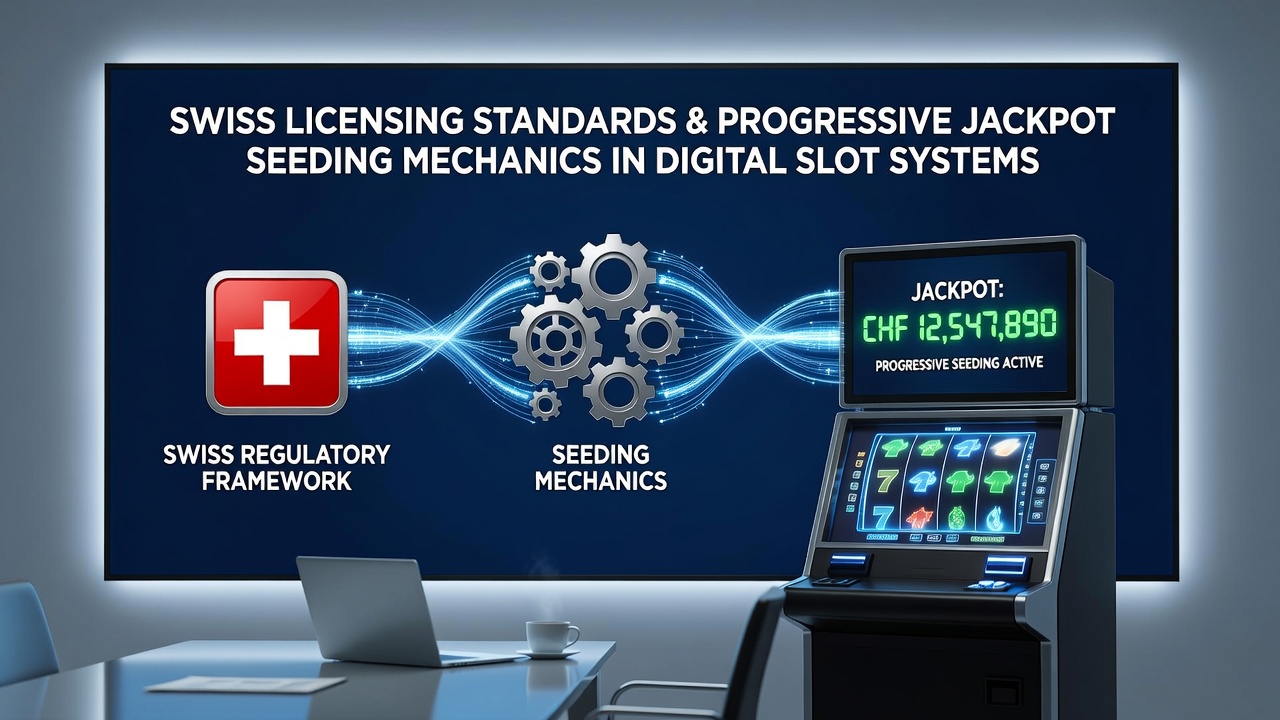
Swiss Licensing Criteria Shape Seeding Approaches for Progressive Jackpots in Digital Slot Systems
Swiss licensing frameworks establish strict parameters around progressive jackpot operations in digital slot systems, with particular attention to how operators initialize and grow prize pools. These rules come from the Federal Act on Games of Chance and Casinos along with oversight by the Federal Gaming Board, which requires licensed providers to maintain transparent seeding processes that prevent manipulation and ensure player funds remain protected at every stage. Operators must submit detailed seeding calculations during the licensing application, including minimum starting values and contribution rates from each wager. Data from industry reports indicate that these requirements often result in initial seeds ranging between 50,000 and 200,000 Swiss francs depending on the game's expected player volume and volatility profile. Such standards create consistency across platforms while allowing flexibility for different jackpot tiers.Core Elements of Seeding Under Swiss Oversight
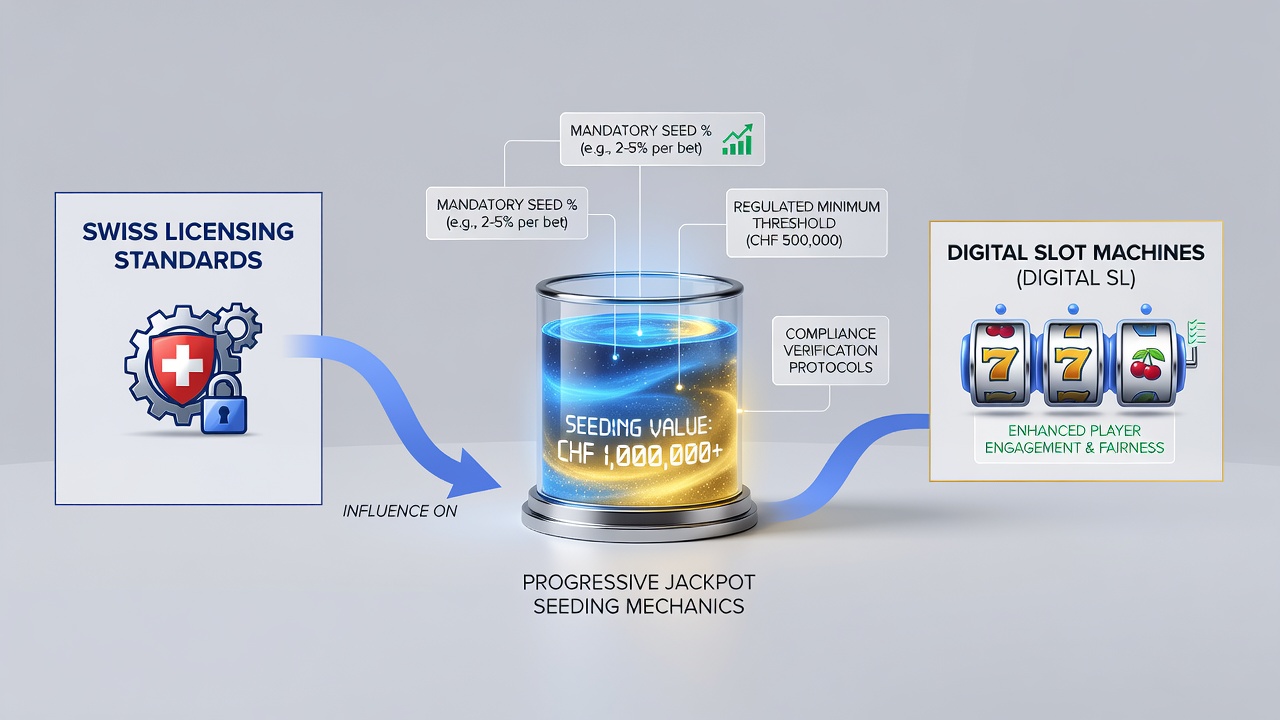
Seeding mechanics involve setting an initial jackpot amount before contributions begin accumulating from bets. Swiss regulations mandate that this base amount comes from operator reserves rather than player contributions, a distinction that appears in licensing conditions to safeguard against premature depletion. Platforms must also document how seeds scale with network size when multiple sites link into a shared progressive system.
Contribution percentages typically fall between 1 and 3 percent of each qualifying bet, yet licensing reviews examine whether these rates align with projected payout frequencies. Observers note that regulators cross-reference historical payout data to verify that seeding levels support sustainable cycles without excessive house liability during early phases of a game's lifecycle.
Technical Requirements for Compliance
Digital slot systems operating under Swiss licenses integrate certified random number generators with real-time tracking modules that log every seed adjustment and contribution increment. These modules transmit encrypted reports to supervisory databases at regular intervals, enabling authorities to audit seeding integrity without disrupting live gameplay.
Updates scheduled for November 2026 introduce enhanced verification protocols that require operators to simulate jackpot growth scenarios before deploying new titles. Simulation results must demonstrate that seeding remains adequate even under low-volume play conditions, a measure designed to maintain fairness across regional player bases.
Comparative Approaches Across Jurisdictions
While Swiss rules emphasize reserve-backed seeds and documented contribution formulas, other regions apply different thresholds. The Australian Communications and Media Authority, for instance, focuses more on consumer disclosure of seed sources, whereas Canadian provincial regulators examine cross-border pooling arrangements through separate technical standards. This variation highlights how Swiss licensing prioritizes upfront capitalization over post-launch adjustments.
Industry associations such as the European Gaming and Betting Association have published analyses showing that jurisdictions with strict seeding mandates experience fewer jackpot-related disputes. Figures from those reports reveal that Swiss-licensed platforms report average seed-to-payout intervals of 18 to 24 months for major progressives, compared with wider ranges observed elsewhere.
Operational Adjustments by Licensed Providers
Providers respond to these standards by adjusting network configurations, sometimes limiting the number of linked machines to control contribution velocity. They also maintain separate reserve accounts that regulators can verify during periodic inspections. When a jackpot hits, the next seed resets according to predefined formulas that factor in recent player activity and remaining reserve levels.
Some platforms incorporate tiered seeding where lower-level progressives receive smaller initial amounts while higher tiers start larger, all within the same licensing approval. This structure allows operators to balance player engagement across different bet denominations without violating contribution transparency rules.
Conclusion
Swiss licensing standards continue to influence how progressive jackpot seeding operates within digital slot systems by requiring documented reserve funding, audited contribution rates, and forward-looking simulation data. As November 2026 approaches, additional verification layers will further integrate these elements into daily operations, creating a framework where seeding mechanics remain both predictable and adaptable across evolving network configurations.