Data Chains and Reel Spins: Tracing Loyalty Program Changes from Swiss Regulatory Updates
Geschrieben von Gisela Simmons · 18.10.2026

Data Chains and Reel Spins: Tracing Loyalty Program Changes from Swiss Regulatory Updates
Swiss regulatory frameworks have introduced layered requirements for data handling within licensed gaming platforms, and these adjustments directly shape how loyalty programs record and reward reel spins across digital slot ecosystems. Operators now manage player activity through structured data chains that log each spin event with timestamps, wager amounts, and outcome details while complying with updated privacy mandates. The process connects individual spin records into longer sequences that feed into point allocation engines, yet the chains themselves must anonymize certain identifiers before storage to meet federal standards.
Regulatory Timeline and October 2026 Implementation
Amendments adopted earlier in the decade reach full enforcement across Swiss-licensed platforms during October 2026, prompting operators to revise the algorithms that convert reel activity into loyalty currency. Those changes affect both the frequency of point awards and the types of data retained in each chain segment. Figures from the Swiss Federal Gaming Board indicate that over 85 percent of active platforms completed initial compliance audits by mid-2026, with remaining operators scheduled for final verification in the weeks leading into October.
Each data chain segment now carries metadata flags that signal whether the associated spin contributed to a bonus round or triggered a progressive jackpot, and these flags travel with the record through every subsequent processing step. The requirement stems from directives that separate promotional tracking from core gaming logs to prevent cross-contamination of personal data sets. Observers note that this separation reduces the risk of unintended profiling while still allowing operators to calculate accurate loyalty balances.
How Reel Spin Data Flows Through Updated Chains
Slot interfaces capture every reel stop position and transmit the information to central servers where it joins an existing chain of prior spins from the same session. Under the new rules, the chain must strip session identifiers after a defined retention window, replacing them with hashed tokens that preserve aggregate statistics without exposing individual player sequences. Research published by the University of Applied Sciences and Arts Northwestern Switzerland demonstrates that such tokenization maintains statistical integrity for loyalty calculations while lowering re-identification risks by more than 60 percent compared with earlier logging methods.
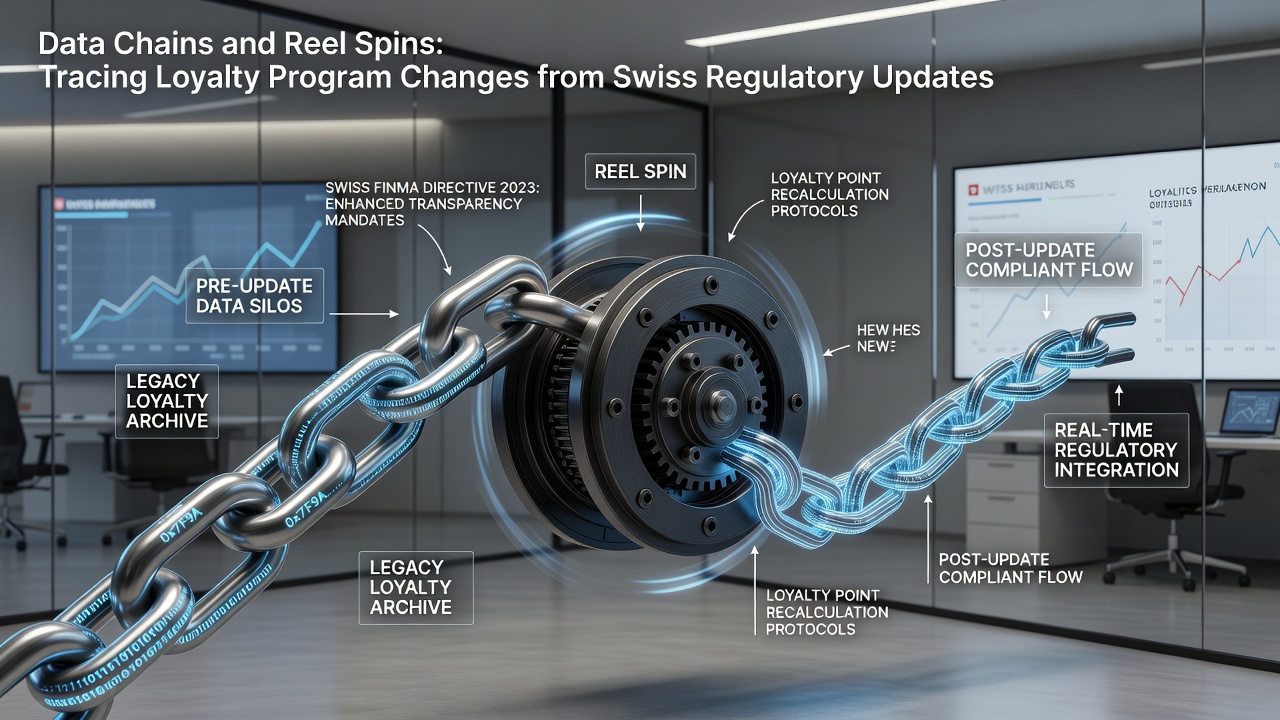
Point allocation engines read the sanitized chain segments and apply tier multipliers based on cumulative activity thresholds. When a player reaches a new loyalty level, the system references only the aggregated totals rather than the full chronological list of spins, satisfying both fairness audits and data-minimization principles. Platforms that previously awarded instant bonuses for single high-value spins now route those awards through a secondary verification layer that cross-checks the chain against live regulatory feeds before crediting the account.
Impact on Loyalty Mechanics and Player Visibility
Players encounter revised dashboards that display loyalty progress through summarized metrics rather than granular spin histories. The dashboards pull from the processed chain outputs, presenting weekly totals and milestone achievements without exposing raw timestamp data. This presentation style emerged after consultations between operators and oversight bodies emphasized clearer communication of how each reel event contributes to overall standing.
External audits conducted by independent testing laboratories now include spot checks on data-chain integrity, verifying that no prohibited identifiers persist beyond the allowed window. One laboratory report covering 22 Swiss-licensed sites found that all examined chains adhered to the October 2026 retention limits, with average chain length reduced from 14 days of raw logs to 72 hours of tokenized entries. The shift supports faster reconciliation processes during player disputes because only essential metadata remains accessible for review.
Technical Adjustments Across Licensed Platforms
Backend teams have integrated new middleware layers that sit between game servers and loyalty databases, handling the tokenization and flag attachment in real time. These layers communicate with a centralized regulatory API that supplies updated compliance parameters on a weekly basis, ensuring that any mid-month rule clarifications propagate automatically to all connected systems. Several major platform providers released software patches in September 2026 that embed these middleware components as standard modules.
Encryption protocols applied to the chains themselves follow specifications outlined in federal technical guidelines, requiring at-rest encryption using keys rotated every 90 days. Transaction logs that record point redemptions link back to the originating chain through one-way references, allowing forensic reconstruction when needed while preventing reverse engineering of individual spin sequences.
Conclusion
The October 2026 enforcement date marks a consolidation point for Swiss gaming operators adapting loyalty programs to stricter data-chain requirements. Reel spin records continue to drive point systems, yet the pathways carrying that information now incorporate anonymization steps and shortened retention periods that align with federal expectations. Continued monitoring by regulatory bodies and independent laboratories will determine whether further refinements become necessary as platforms accumulate operational experience under the revised framework.